Reserved
Photographic Series / Intervention (2021)
BY MOJTABA DAVIJANI

A visual system built on exclusion, belonging, and invisible permission.
Motivation
RESERVED was developed during my first year in the Master of Contemporary Art program at the Estonian Academy of Arts (EKA) in Tallinn, during the early period of the COVID-19 pandemic. At the time, I had recently immigrated from Iran to Europe and was living under intense psychological and financial pressure.
I came from a context in which art was inseparable from politics, resistance, and social tension. In Iran, I was perceived as a rebellious artist, and for me art functioned less as personal expression and more as an unavoidable reaction to censorship, pressure, and social conditions. However, my experience within the university environment confronted me with a very different understanding of contemporary art — one that often appeared detached from conflict and external realities.
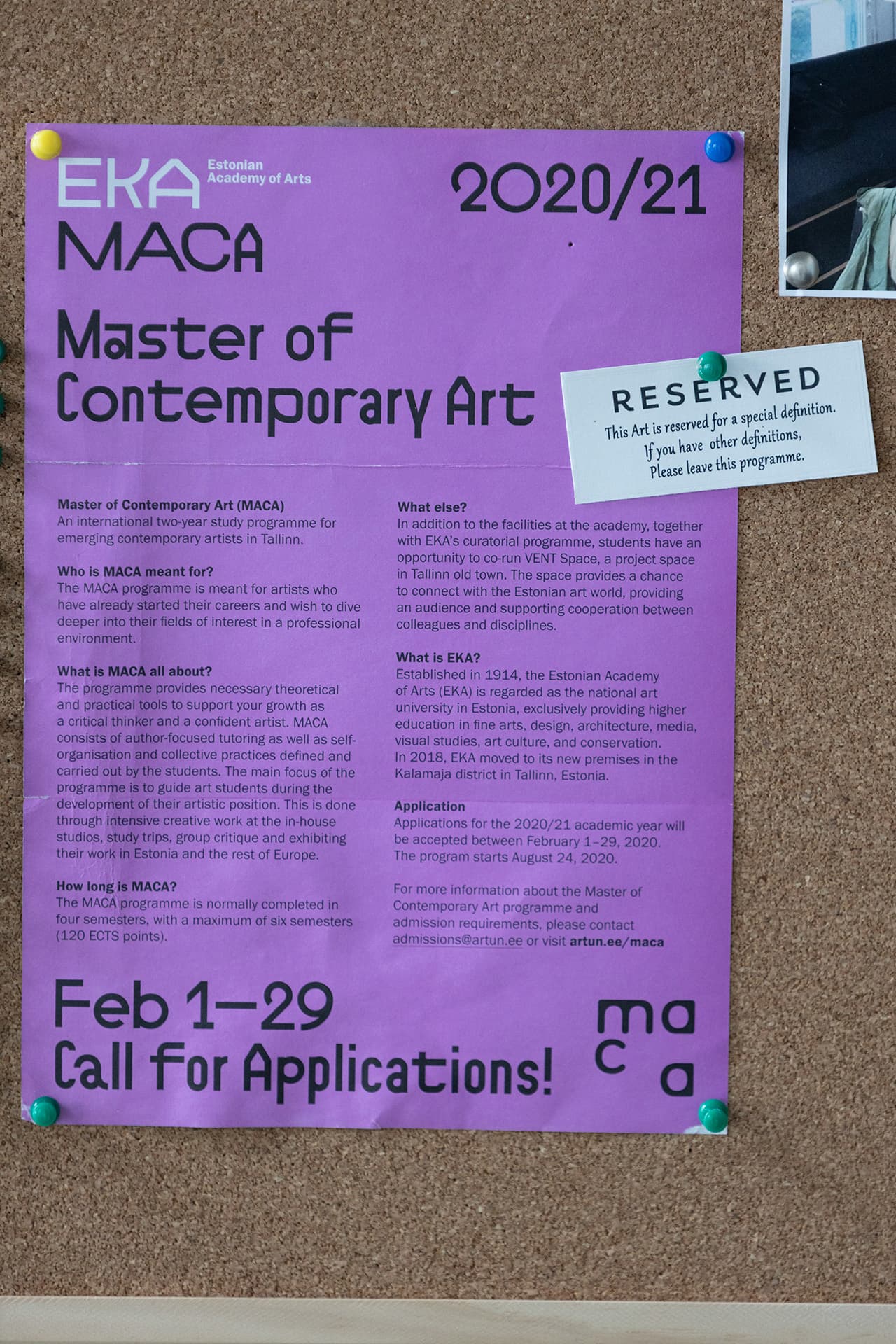
During this period, tensions emerged between myself and one of my professors regarding the definition and role of art. Gradually, I began to feel that certain forms of artistic expression and thinking were considered more legitimate and acceptable than others. These confrontations eventually escalated to threats of expulsion from the program, and RESERVED became a direct response to that condition.

Idea
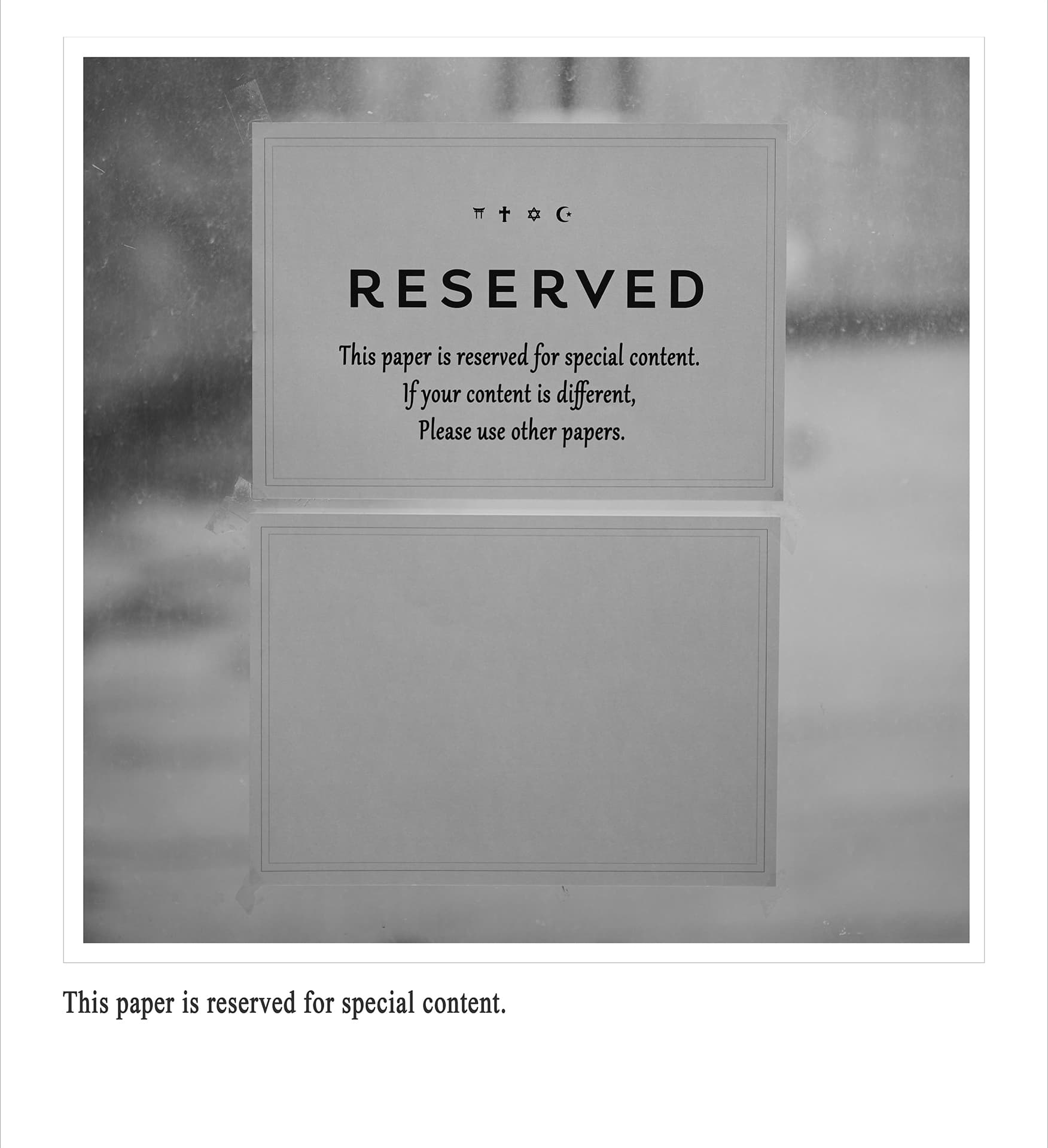
The idea for RESERVED began when I noticed a small “Reserved” sign placed on a restaurant table. The simple and familiar language of that object suddenly became, for me, a metaphor for invisible systems of belonging, exclusion, and legitimacy — questions of who is allowed to enter, remain, participate, or be accepted.
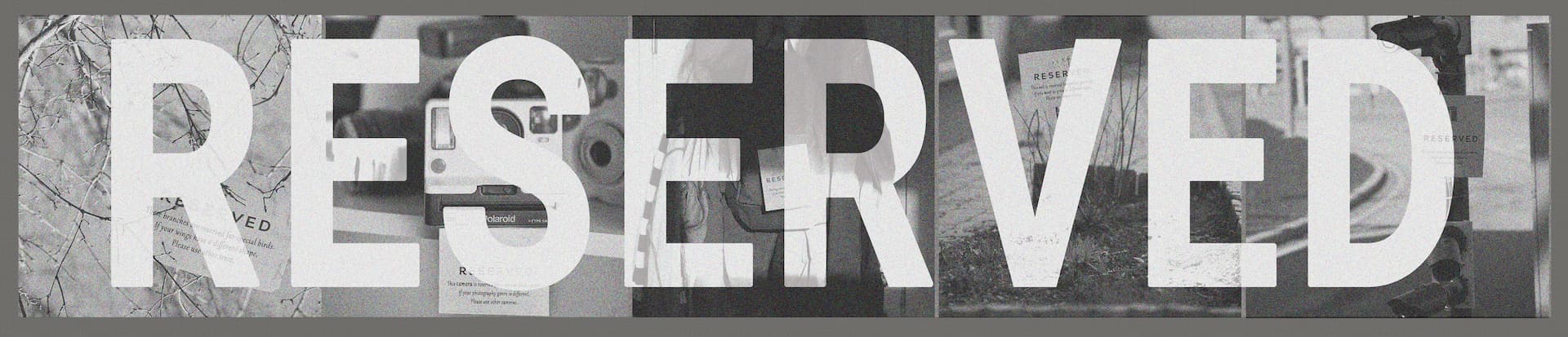
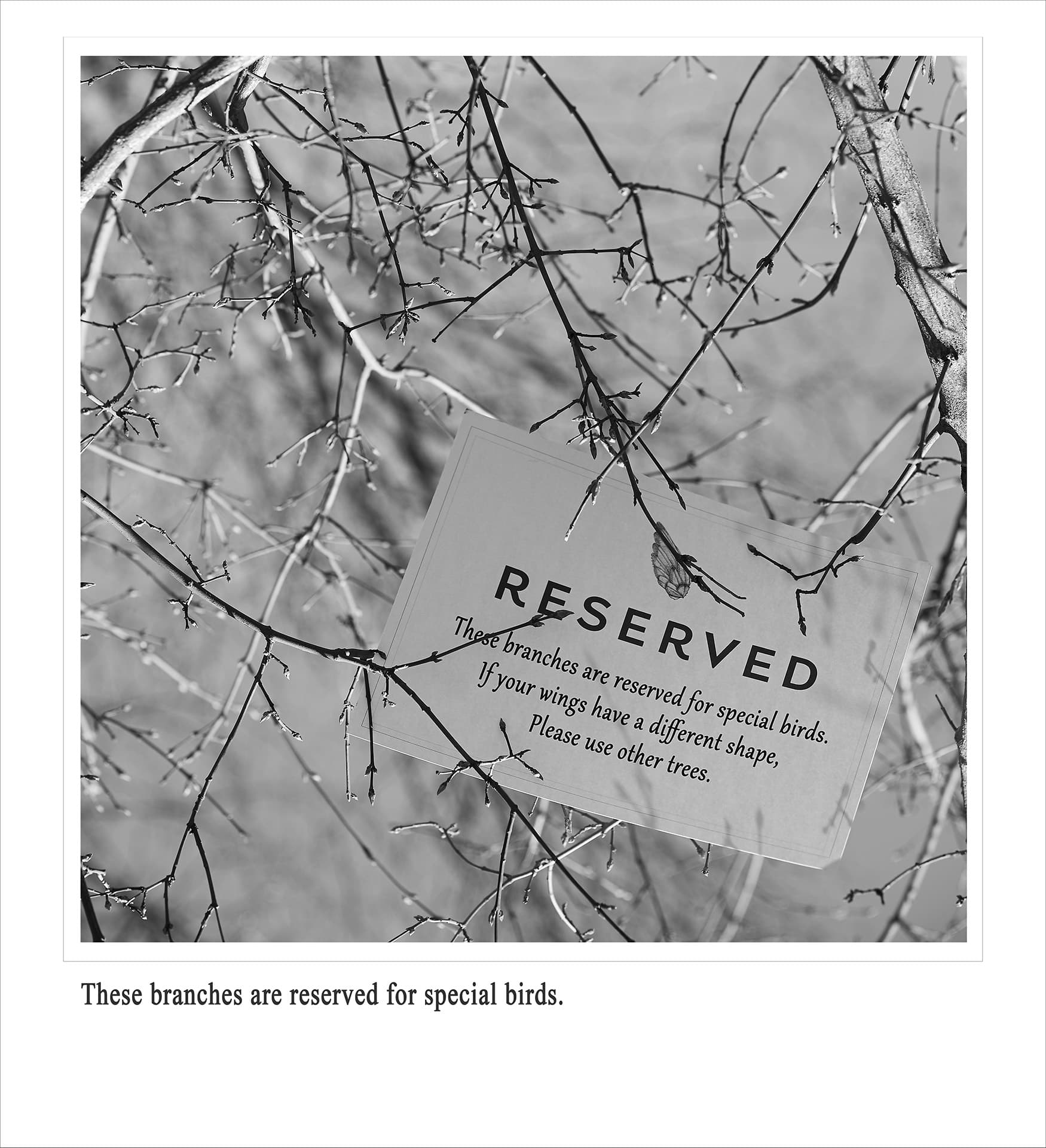
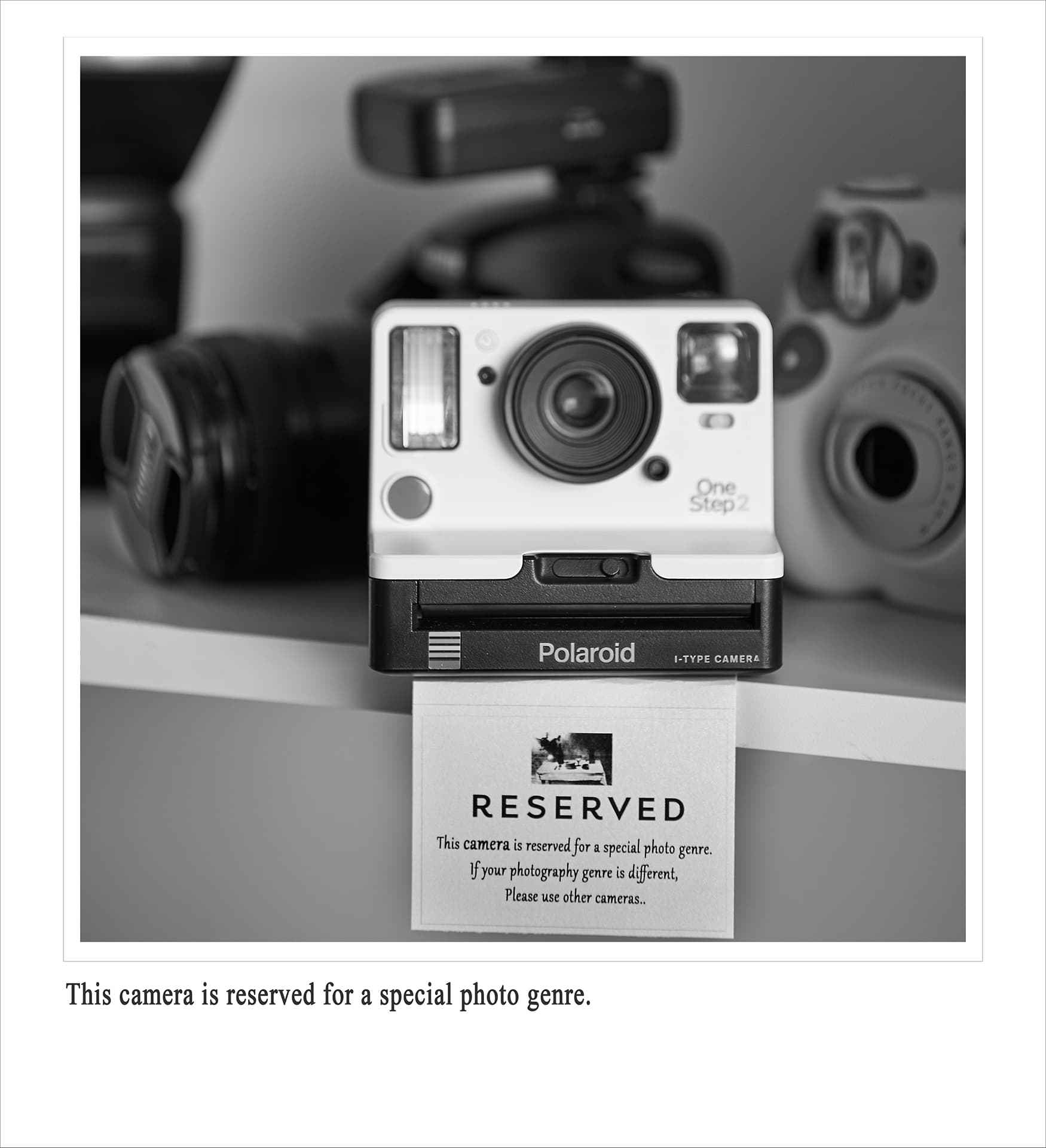
From that moment, I began placing “RESERVED” signs onto ordinary objects, spaces, and situations. Each statement imitates the language of instruction, categorization, and exclusion while exposing the hidden structures that regulate belonging through social, institutional, and cultural codes.
Execution
The project was carried out in Tallinn, Estonia, within both public and private spaces surrounding my daily life as an immigrant art student. The interventions were intentionally subtle and integrated into ordinary environments such as streets, trees, cameras, toilets, papers, bags, and maps.
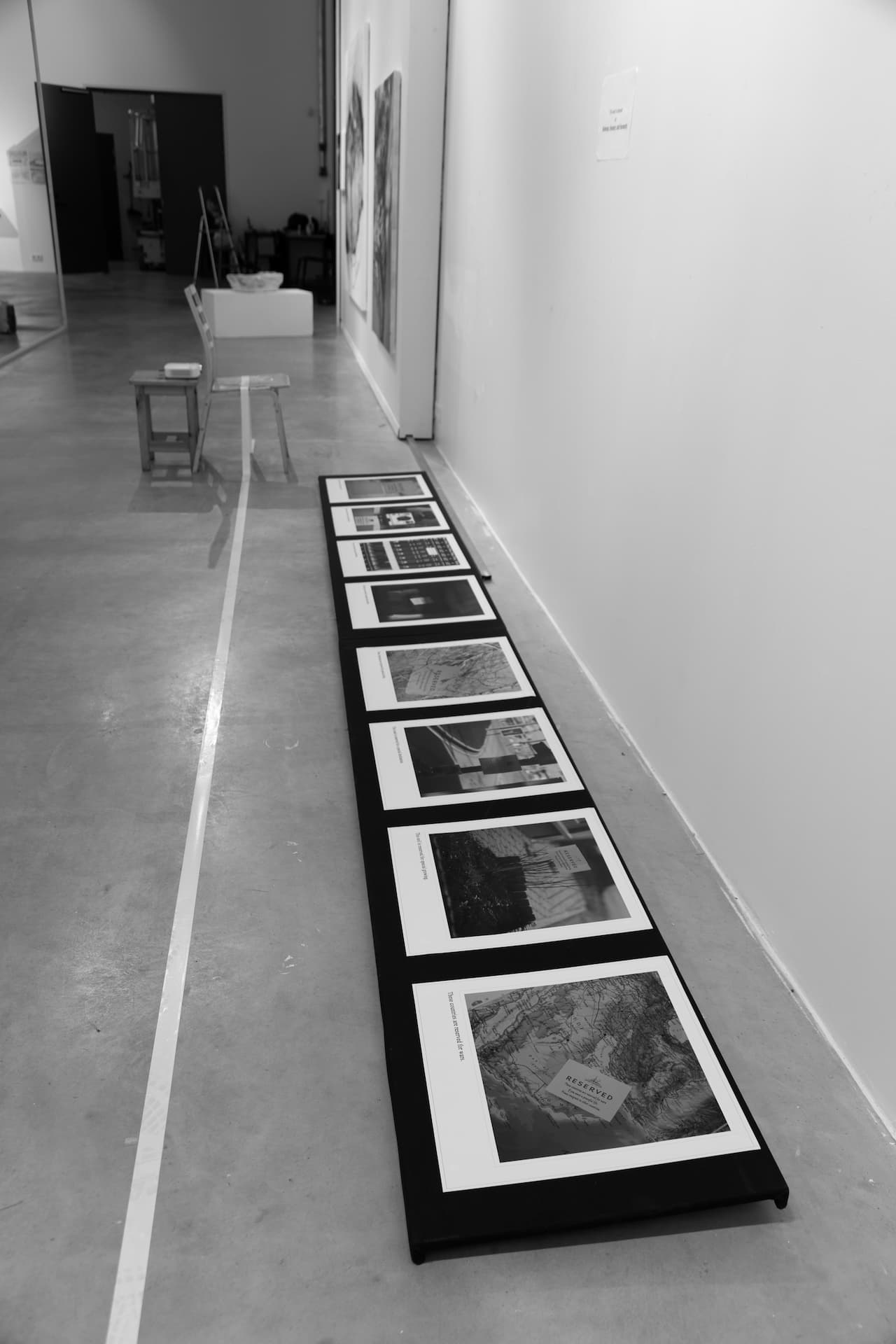
For the final presentation, the photographs were intentionally not installed on the gallery wall. Instead, all images were placed on the floor, while the wall itself carried a single statement:
“This wall is reserved for Kindness, Honesty, and Humanity.”
This gesture transformed the exhibition space itself into part of the work. The empty wall functioned both as irony and confrontation — reflecting the same invisible systems of permission, legitimacy, and exclusion explored throughout the series.
Over time, I realized that part of the tension surrounding the work was not merely artistic disagreement, but the result of radically different lived experiences. Several years later, RESERVED still does not feel like a finished project to me. The tensions and questions from which it emerged continue to exist within my lived experience; only their form and language have changed.

Chatiya Gibouti on RESERVED
An External Reading
On RESERVED
An External Reading
The compelling thing about RESERVED is that it doesn’t scream its critique; instead, it meticulously rebuilds the machinery of exclusion using the very language that usually camouflages it. Rather than launching a direct assault on institutions or power structures, the work adopts the polite, almost clinical vernacular of bureaucracy—terms like reservation, categorization, and permission. It is through the quiet repetition of these terms that the underlying violence of the system slowly begins to leak out.
What we see here is a translation of a deeply personal, perhaps even painful, experience of migration and institutional friction into a rigorous visual system. While the project is clearly born from the artist’s own life—navigating the Estonian Academy of Arts as an Iranian immigrant during the claustrophobia of the COVID-19 era—it carefully avoids the trap of being “just” autobiographical. The gestures remain disciplined, minimal, and charged with a specific kind of psychological heat.
Perhaps the most striking element of the series is the friction between its emotional weight and its formal silence. The photographs themselves are composed, measured, and visually still. Yet, beneath that surface, there is an unresolved vibration of anger and displacement. By maintaining this aesthetic distance, the work refuses to collapse into a simple political slogan, allowing the tension to live within the images themselves.
The final installation choice is where the work truly bites. By placing the photographs on the floor and dedicating the gallery wall—the traditional seat of authority—to “Kindness, Honesty, and Humanity,” the artist turns the exhibition space into a participant. That empty wall isn’t just a void; it’s a mirror held up to the institution, functioning as both a biting irony and a quiet confrontation.
At its core, RESERVED isn’t just looking at censorship. It’s looking at the invisible cultural filters that dictate who belongs and who is “legitimate,” particularly in spaces that market themselves as progressive and inclusive. The work is a product of a real-world collision between different ways of living and different expectations of what art is for. It is precisely because this tension remains unsettled that the project continues to feel so urgent.